Mera Peak Climbing
Max Altitude
6,476 m
Duration
20 Days
Difficulty
Very Hard
Best Season
Spring & Autum

Start Point
Kathmandu

Group Size
2-15 People
Trip Overview
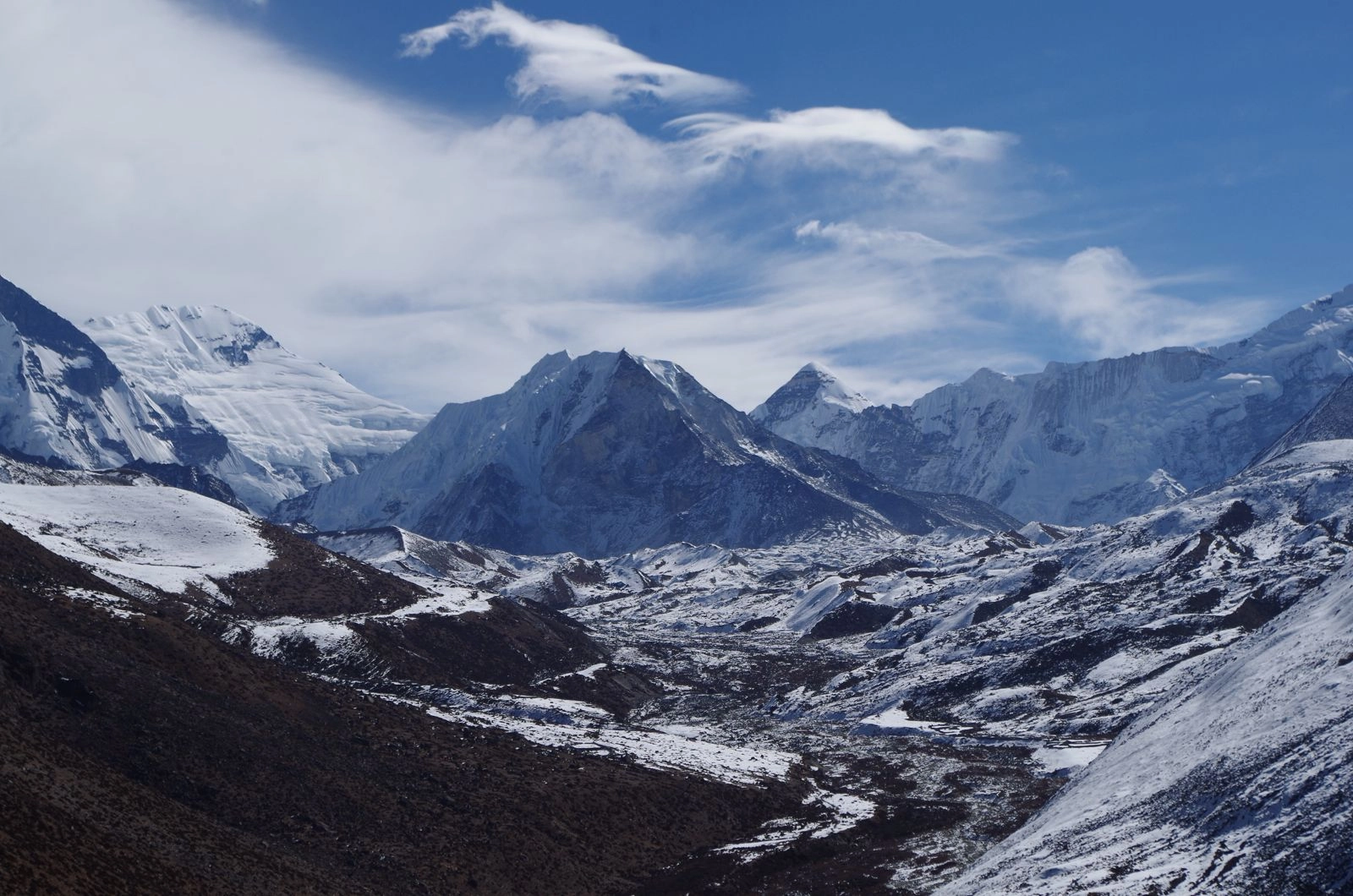
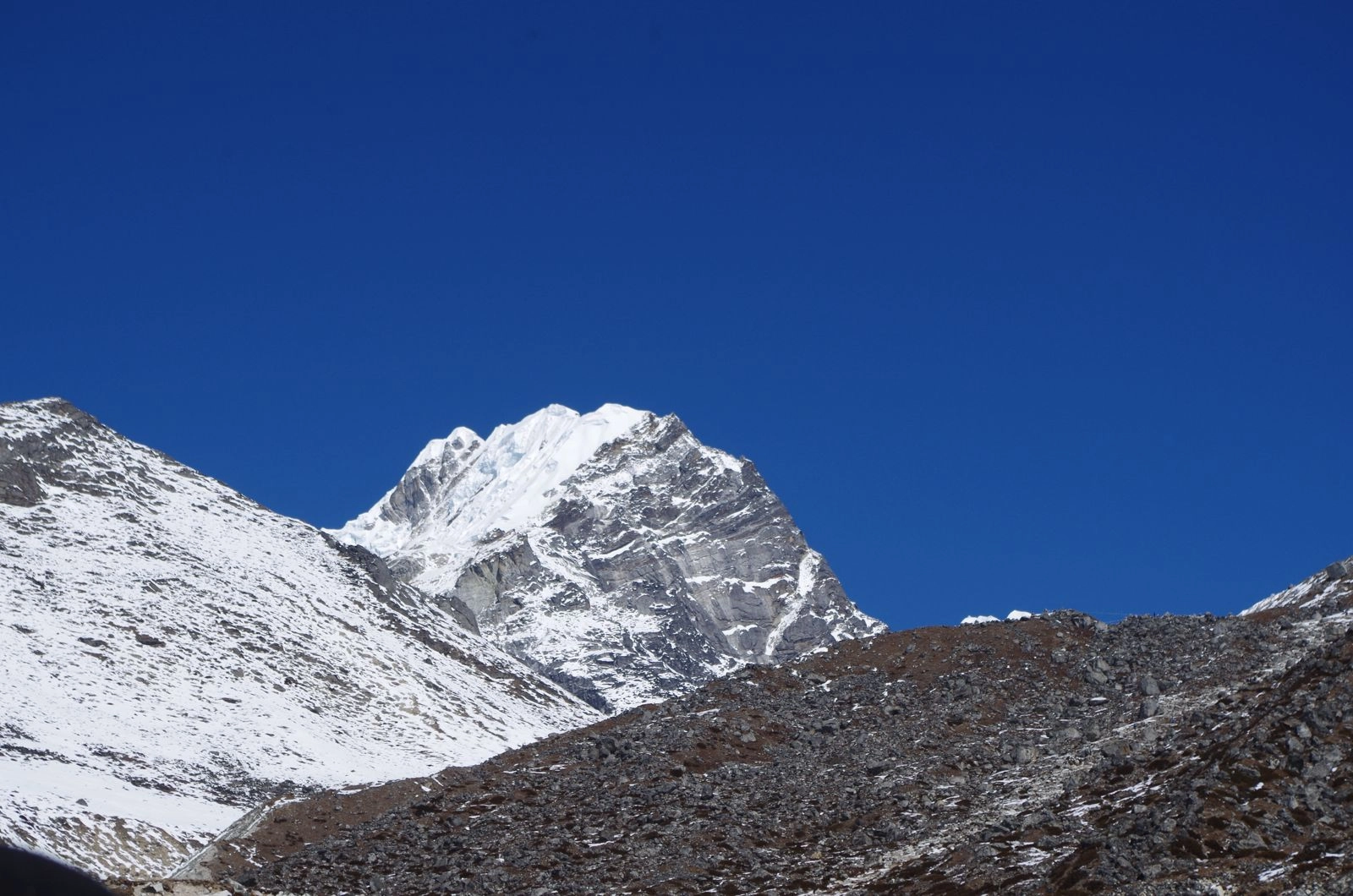
Mera Peak Climbing is a demanding 20-day Himalayan adventure leading to the 6,476-metre summit of one of Nepal's best-known trekking peaks. Situated in the remote Hinku Valley, Mera Peak offers a suitable introduction to Himalayan mountaineering for physically fit trekkers seeking to progress beyond conventional high-altitude trekking.
The journey begins in Kathmandu, then travels overland to Manthali for the flight to Lukla. Rather than following the busy route towards Namche Bazaar, the trail turns south through Paiya and continues across quieter hills towards Pangom, Ramailo Danda and Chhetra Khola.
This approach passes through forested ridges, rural settlements and secluded valleys before joining the Hinku Valley at Kothe. Lower sections are characterised by woodland and river corridors, while the upper valley becomes increasingly barren, glaciated and exposed.
From Kothe, the route climbs towards Thangnak at 4,358 metres. A dedicated acclimatization day allows the body additional time to adjust before continuing to Khare at 5,045 metres, the principal preparation base for the climb.
An additional acclimatization and pre-climb training day is included at Khare, where participants practise using climbing boots, crampons, harnesses, ropes and ice axes under the climbing guide's supervision.
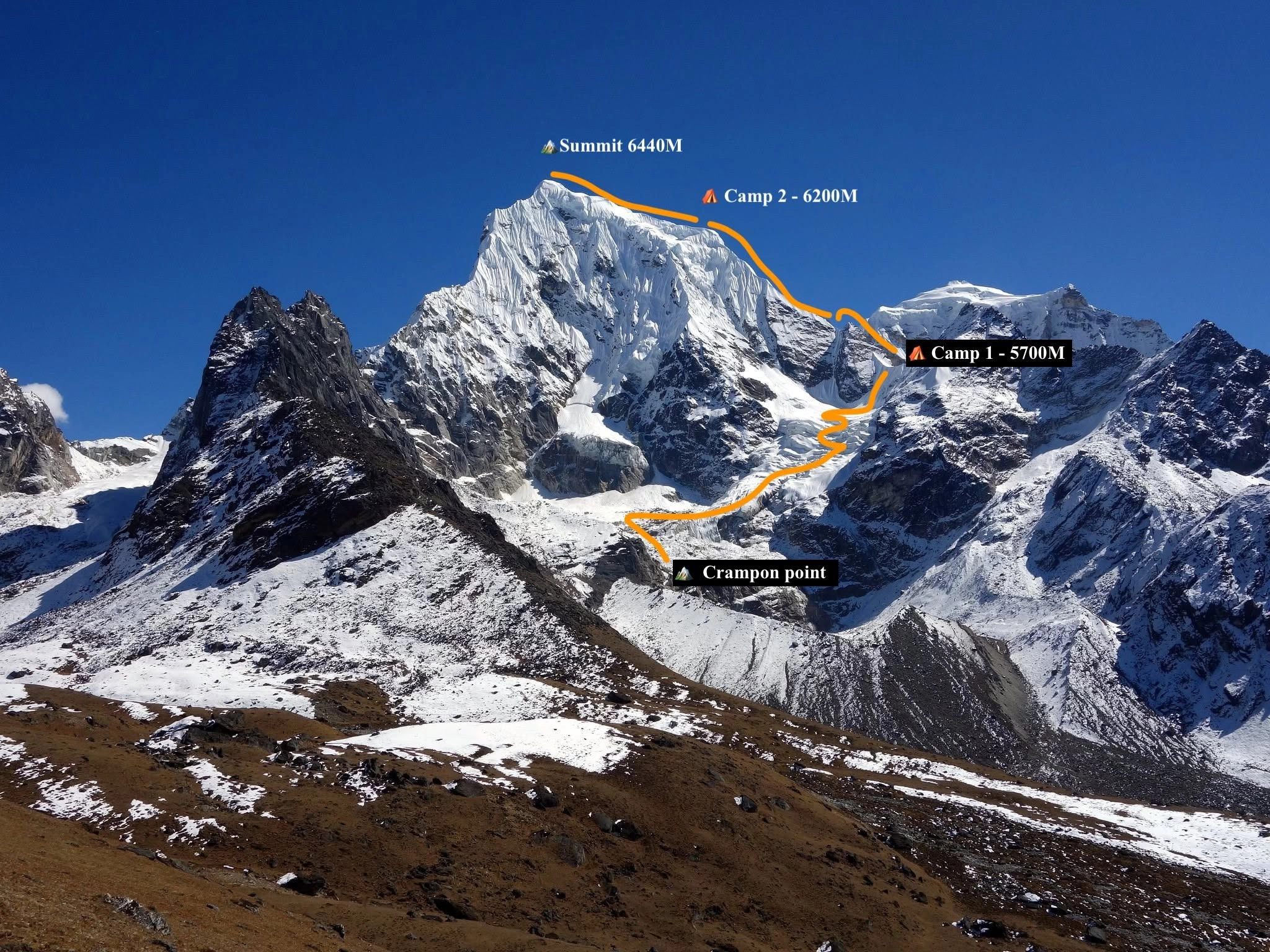
The climbing section begins with the ascent from Khare to Mera High Camp at 5,780 metres. After resting at High Camp, the summit attempt normally begins before dawn. The ascent to the 6,476-metre summit requires sustained physical effort in cold, high-altitude conditions, and glacier travel, changing weather and reduced oxygen make it a serious mountaineering objective despite Mera Peak's reputation as a relatively straightforward trekking peak.
After the summit, the group descends past High Camp to Khare. A contingency day is included afterward for weather, route or acclimatization flexibility. Summit success cannot be guaranteed, and the climbing guide retains authority to change or cancel the attempt when necessary.
The return journey follows the Hinku Valley to Kothe before crossing towards Thuli Kharka and Lukla. A mountain flight returns the group to Manthali, followed by an overland transfer to Kathmandu.
Hatti Hatti Treks arranges the transportation, domestic flights, accommodation, meals, permits and climbing support described in the package. Participants travel with an experienced, government-licensed climbing Sherpa guide, while porter service supports the trekking section, subject to the confirmed baggage allowance.
Accommodation & Food standards

Standard
- Teahouse / lodge accommodation
- Basic but comfortable rooms
- Hygienic Breakfast, Lunch & Dinner

Premium (Comfort)
- Upgraded lodges / boutique hotels where available
- Private rooms with better facilities
- Enhanced meal options with greater variety and comfort

Meal Types
- Breakfast
- Lunch
- Dinner
Day-By-Day
Your 20-Day Itinerary
A Hatti Hatti Treks representative will meet you at Tribhuvan International Airport and transfer you to your hotel in Kathmandu. After checking in, rest following your international journey. Information about the Mera Peak itinerary, equipment preparation, domestic flight and departure arrangements will be provided as required.
This is also an appropriate time to check that you have all essential trekking and climbing clothing. Any missing personal equipment should be arranged or rented before leaving Kathmandu.
Max Altitude
1,400 m
Accomodation
Four-star hotel in Kathmandu
Meals
Not included
Leave Kathmandu and travel overland to Manthali, the seasonal departure point for many flights to Lukla. The journey normally takes approximately 5–6 hours, depending on traffic, weather and road conditions. The road passes through Nepal's hill country, following sections of river valleys and travelling past cultivated slopes and rural settlements.
After arriving in Manthali, check into your hotel and prepare for the following morning's mountain flight. Flight schedules may require an early start, and the final departure time will be confirmed locally.
Max Altitude
1,400 m
Accomodation
Hotel in Manthali
Meals
Breakfast, lunch and dinner
Take an early flight from Manthali to Lukla, situated at 2,840 metres, subject to weather and visibility. After landing, meet the trekking crew and organise equipment before beginning the walk towards Paiya. Unlike the standard Everest Base Camp route, the trail heads towards the quieter southern approach to the Hinku Valley.
The route passes through small settlements and forested hillsides, with a combination of ascents and descents. The first trekking day should be completed at a comfortable pace as the body begins adjusting to the mountain environment.
Max Altitude
2,840 m
Accomodation
Teahouse in Paiya
Meals
Breakfast, lunch and dinner
Leave Paiya and continue towards Pangom on an approximately 6–7 hour trek across undulating terrain, with sustained uphill and downhill sections through woodland and rural landscapes. This route receives fewer visitors than the principal trails around Lukla and Namche Bazaar, offering an opportunity to experience settlements and landscapes beyond Nepal's busiest trekking corridors.
After reaching Pangom, check into the local teahouse and rest. Regular hydration and a steady walking rhythm remain important, even at these comparatively moderate elevations.
Max Altitude
2,804 m
Accomodation
Teahouse in Pangom
Meals
Breakfast, lunch and dinner
Continue from Pangom towards Ramailo Danda, gradually gaining elevation while crossing forested slopes, ridges and quieter sections of the Mera Peak approach. Ramailo Danda occupies an elevated position at approximately 3,276 metres, where clear conditions begin to reveal broader views towards the high mountains and remote valleys ahead. The increase in altitude becomes more noticeable today. Walk at a measured pace and inform the guide of any persistent headaches, nausea, dizziness or unusual fatigue.
Max Altitude
3,276 m
Accomodation
Teahouse in Ramailo Danda
Meals
Breakfast, lunch and dinner
Leave Ramailo Danda and enter increasingly remote terrain on the way to Chhetra Khola. The trail travels through forested sections and crosses uneven mountain ground, with both ascents and descents throughout the day; parts of this stage may be narrow, muddy or slippery depending on recent weather.
Chhetra Khola stands at approximately 3,122 metres, slightly lower than Ramailo Danda. After arriving, settle into the local teahouse and rest.
Max Altitude
Approximately 3,276 m
Accomodation
Teahouse in Chhetra Khola
Meals
Breakfast, lunch and dinner
Continue towards Kothe as the trail enters the Hinku Valley proper, following forested slopes and river corridors as the landscape gradually becomes more alpine. Kothe, at 3,691 metres, is an important settlement on the route to Mera Peak, and the considerable elevation gain makes careful pacing essential.
After reaching Kothe, rest and prepare for the journey into the upper Hinku Valley.
Max Altitude
3,691 m
Accomodation
Teahouse in Kothe
Meals
Breakfast, lunch and dinner
Follow the upper Hinku Valley from Kothe towards Thangnak. The trail moves beyond the denser lower forests and enters a colder, more exposed mountain environment, with scenery becoming increasingly dramatic as the route approaches the glaciated upper valley. Thinner air may now affect walking speed, so the group maintains a controlled pace.
Thangnak is situated at 4,358 metres and provides an appropriate base for the following acclimatisation day. On arrival, drink sufficient water, keep warm and avoid unnecessary exertion.
Max Altitude
4,358 m
Accomodation
Teahouse in Thangnak
Meals
Breakfast, lunch and dinner
Spend a second night at Thangnak to support gradual acclimatization. Rather than remaining completely inactive, complete a short hike (approximately 1–2 hours) to a higher elevation before returning to the lodge, allowing the body to experience a higher altitude while sleeping lower.
The guide will monitor participants and advise on hydration, pacing and symptoms associated with altitude sickness. Any persistent or worsening symptoms must be reported immediately.
Max Altitude
Dependent on the acclimatization route
Accomodation
Teahouse in Thangnak
Meals
Breakfast, lunch and dinner
Leave Thangnak and continue towards Khare, the principal base for the Mera Peak ascent. The route enters increasingly barren terrain surrounded by moraines, glaciers and high ridges. Although the estimated walking time is only 3–4 hours, the climb to 5,045 metres makes this a significant acclimatisation day, with slower movement and regular pauses.
After reaching Khare, settle into the teahouse and rest as the guide continues monitoring the group before climbing preparation begins.
Max Altitude
5,045 m
Accomodation
Teahouse in Khare
Meals
Breakfast, lunch and dinner
Today is reserved for further acclimatization and practical climbing preparation. The climbing Sherpa guide inspects personal equipment and explains how it should be fitted and used, including walking in mountaineering boots, fitting and using crampons, wearing a harness, handling an ice axe and moving safely while attached to a rope.
Depending on conditions and experience, the guide may also demonstrate basic ascending and descending techniques. This session improves familiarity with equipment but does not replace previous mountaineering training. Remaining time is used for rest, hydration and final preparation before climbing to High Camp.
Max Altitude
Dependent on the training location
Accomodation
Teahouse in Khare
Meals
Breakfast, lunch and dinner
Leave Khare and begin the ascent towards Mera High Camp. The route enters glaciated terrain where ropes, crampons and other climbing equipment may be required according to snow and ice conditions. Progress is deliberately slow because of the altitude, and the group must follow the climbing guide's instructions carefully while maintaining appropriate spacing on the glacier.
Mera High Camp stands at approximately 5,780 metres. After arriving, settle into the tents, eat, hydrate and rest while the guide assesses weather and route conditions before confirming the summit schedule. Temperatures fall sharply after sunset, so prepare clothing and equipment before sleeping.
Max Altitude
5,780 m
Accomodation
Tent at Mera High Camp
Meals
Breakfast, lunch and dinner
The summit attempt normally begins before dawn. After a light meal and final equipment check, follow the climbing guide onto the glacier and begin the gradual ascent. Cold temperatures, darkness and reduced oxygen make this a demanding stage, and climbers must maintain a steady rhythm, remain attached to the rope where required, and follow every instruction from the guide.
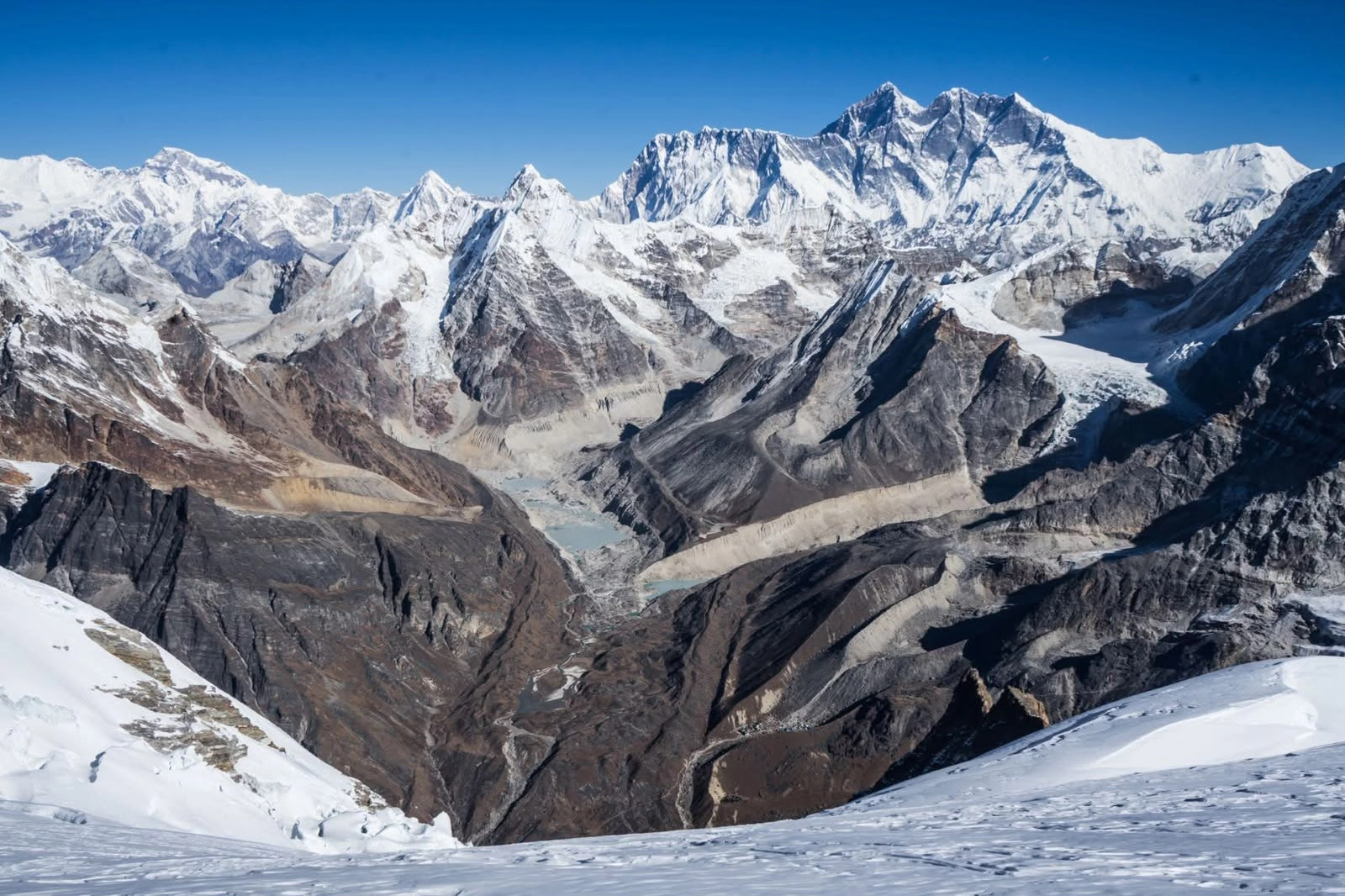
Upon reaching the 6,476-metre summit, enjoy the extensive Himalayan panorama if visibility permits, though time at the top will be limited. Begin the descent carefully past High Camp and continue down to Khare. Fatigue increases the risk of slips, so concentration remains essential. The climbing guide has full authority to change the schedule or turn participants around if conditions make continuing unsafe. Approximately 8–10 hours.
Max Altitude
6,476 m
Accomodation
Teahouse in Khare
Meals
Breakfast, lunch and dinner
This day provides flexibility if unsuitable weather, route conditions, individual acclimatisation or other circumstances prevented the summit attempt from proceeding as planned on Day 13. If the summit has already been completed, the day may be used for rest, and the guide may adjust the return programme according to local conditions and the group's physical state.
A contingency day improves flexibility but does not guarantee a second summit attempt; any decision depends on safety, weather, available resources and the guide's professional assessment.
Max Altitude
5,045 m unless used for a summit attempt
Accomodation
Teahouse in Khare
Meals
Breakfast, lunch and dinner
Begin the return journey through the Hinku Valley, descending from Khare, passing through Thangnak and continuing towards Kothe. The reduction in altitude generally makes breathing more comfortable, but the extended descent can place pressure on the knees and legs, so careful foot placement remains important.
Trekking poles may provide additional stability on loose, rocky or uneven sections. On reaching Kothe, check into the teahouse and rest.
Max Altitude
5,045 m
Accomodation
Teahouse in Kothe
Meals
Breakfast, lunch and dinner
Leave Kothe and follow the return route towards Thuli Kharka, with sustained ascents and descents through rugged mountain terrain. Despite returning to lower elevations, this remains a physically demanding stage. Walk steadily, stay hydrated, and conserve energy for the final trek to Lukla.
After arriving at Thuli Kharka, settle into the local teahouse and prepare for the next day's crossing.
Max Altitude
Dependent on the route used
Accomodation
Teahouse in Thuli Kharka
Meals
Breakfast, lunch and dinner
Complete the final trekking stage from Thuli Kharka to Lukla. Depending on the precise trail used, the day may include a high crossing followed by a long descent towards the Lukla area. Changing weather, steep ground and tired legs can make this a demanding final day, so the group should remain together and continue following the guide's instructions.
After reaching Lukla, check into the teahouse and enjoy the final evening with the trekking and climbing crew.
Max Altitude
Dependent on the pass and route used
Accomodation
Teahouse in Lukla
Meals
Breakfast, lunch and dinner
Take an early flight from Lukla to Manthali, subject to weather, visibility, operational conditions and air-traffic restrictions, so delays or schedule changes remain possible. After landing, continue by road to Kathmandu, following hill roads and highways back to the capital.
Upon arrival, transfer to your hotel and use the remainder of the day for rest or personal activities.
Max Altitude
2,840 m before departure from Lukla
Accomodation
Four-star hotel in Kathmandu
Meals
Breakfast
Enjoy a free day to rest, organise climbing equipment, purchase souvenirs or explore Kathmandu independently. This day also provides limited flexibility following the weather-dependent flight from Lukla, in case earlier delays need to be absorbed.
Max Altitude
1,400 m
Accomodation
Not included
Meals
Not included
Your Mera Peak Climbing expedition concludes today. A Hatti Hatti Treks representative will transfer you to Tribhuvan International Airport according to your international departure schedule. Allow sufficient time for airport check-in and possible Kathmandu traffic delays.
Max Altitude
1,400 m
Accomodation
Not included
Meals
Not included
We Accept




What's Covered
Inclusion And Exclusions
What's Included
- Airport pick-up and drop-off in Kathmandu
- Two nights' accommodation at a four-star hotel in Kathmandu
- Hotel accommodation in Manthali as specified in the itinerary
- Breakfast, lunch and dinner during the scheduled Manthali stay
- Overland transportation between Kathmandu and Manthali
- Domestic flights between Manthali and Lukla
- Teahouse accommodation during the trekking section
- Tented accommodation during the climbing section
- Breakfast, lunch and dinner during trekking and climbing
- Acclimatization and pre-climb technical training at Khare
- Experienced, government-licensed climbing Sherpa guide
- Porter service during the trek, subject to the confirmed baggage allowance
- Mera Peak climbing permit managed through the Nepal Mountaineering Association (NMA)
- Makalu Barun National Park entry permit
- Khumbu Pasang Lhamu Rural Municipality Trek-Card / local entry permit
- Trekkers' Information Management System (TIMS) Card
- Guide and porter salaries, meals and accommodation
- Insurance for the trekking and climbing crew
- Group medical and first-aid kit
- Applicable government taxes and company service charges
What's Not Included
- International airfare
- Nepal entry visa fees
- Comprehensive travel and mountaineering insurance
- Emergency rescue and helicopter evacuation
- Hospitalisation and medical treatment
- Additional Kathmandu accommodation outside the two scheduled hotel nights
- Accommodation and meals on Day 19 unless separately arranged
- Lunch and dinner in Kathmandu
- Personal trekking and climbing clothing and equipment
- Equipment rental unless specifically agreed
- Hot showers during the trek
- Wi-Fi and device-charging fees
- Alcoholic beverages
- Soft drinks and bottled water
- Personal snacks and other personal expenses
- Tips for the climbing guide, trekking staff and porters
- Excess baggage or additional porter services beyond the confirmed baggage allowance
- Additional accommodation, meals, helicopter flights or transportation caused by delayed, diverted or cancelled domestic flights
- Costs resulting from weather, route changes or itinerary modifications
- Expenses caused by illness, early withdrawal or unforeseen circumstances
- Costs resulting from changes requested by the participant
- Any fixed-rope or route-fixing charges not specifically confirmed under Cost Includes
- Any service not specifically mentioned under Cost Includes
Common Questions
FAQs
The complete expedition lasts 20 days, including arrival in Kathmandu, transportation to Manthali, the Hinku Valley trekking approach, acclimatisation, pre-climb training, the summit attempt, a contingency day and final departure.
Mera Peak reaches 6,476 metres in Nepal's remote Hinku Valley. The highest overnight location on the route is Mera High Camp at approximately 5,780 metres.
Previous technical climbing experience is not compulsory, but high-altitude trekking experience is strongly recommended, along with basic familiarity with crampons, ropes and ice axes. It suits physically fit trekkers beginning their transition into mountaineering, but should not be treated as an easy climb.
The route builds acclimatisation through the quiet southern approach via Paiya, Pangom and the Hinku Valley to Khare, adds a dedicated equipment-and-training day at Khare, then moves to Mera High Camp (~5,780 m) for a pre-dawn summit attempt on the 6,476 m peak.
Yes. An experienced, government-licensed climbing Sherpa guide leads the technical climbing section and makes safety decisions according to weather, route conditions and participant readiness.
No supplementary oxygen is specifically listed as included in the standard Mera Peak package. Any oxygen support required or requested should be confirmed separately before departure.
The package includes two nights at a four-star hotel in Kathmandu, hotel accommodation in Manthali, teahouse accommodation during the trek and tented accommodation during the climbing section. Breakfast, lunch and dinner are provided during trekking and climbing.
The package includes the Mera Peak climbing permit managed through the Nepal Mountaineering Association, the Makalu Barun National Park entry permit, the Khumbu Pasang Lhamu Rural Municipality Trek-Card/local entry permit, the TIMS Card, transportation between Kathmandu and Manthali, and scheduled flights between Manthali and Lukla.
Lukla flights and climbing activities remain subject to weather, visibility, snow and ice conditions, route safety and operational decisions. The itinerary may be modified when necessary, and additional accommodation, meals, helicopter flights or transportation caused by disruption are normally not included.
No. A Mera Peak summit cannot be guaranteed. Weather, route hazards, acclimatisation, participant health, technical ability and operational conditions determine whether the summit attempt can continue. The expedition leader and climbing guide retain final authority over turnaround decisions and participant safety.