Island Peak Climbing
Max Altitude
6,189 m
Duration
20 Days
Difficulty
Very Hard
Best Season
Spring & Autum

Start Point
Kathmandu

Group Size
2-15 People
Trip Overview
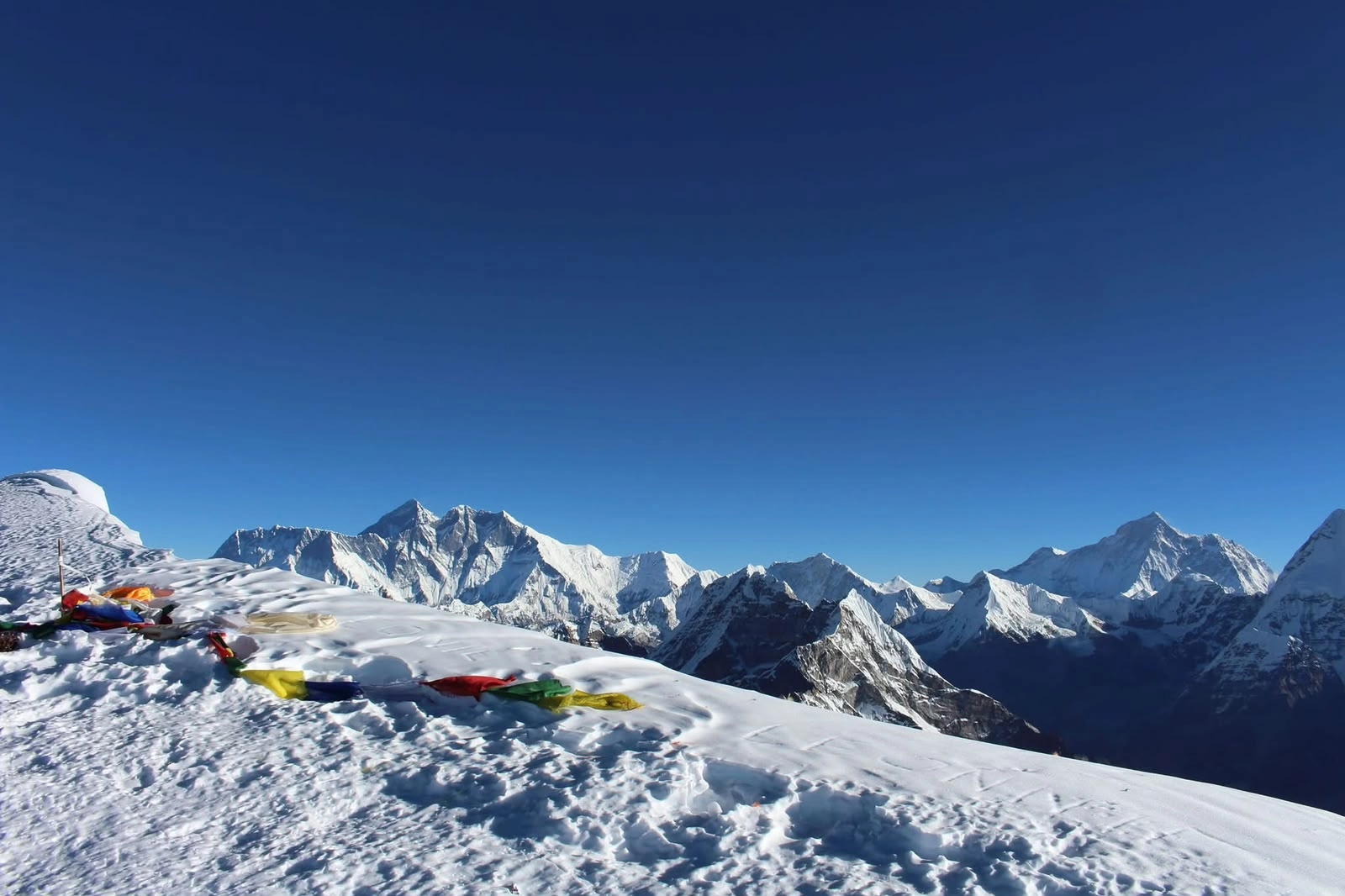
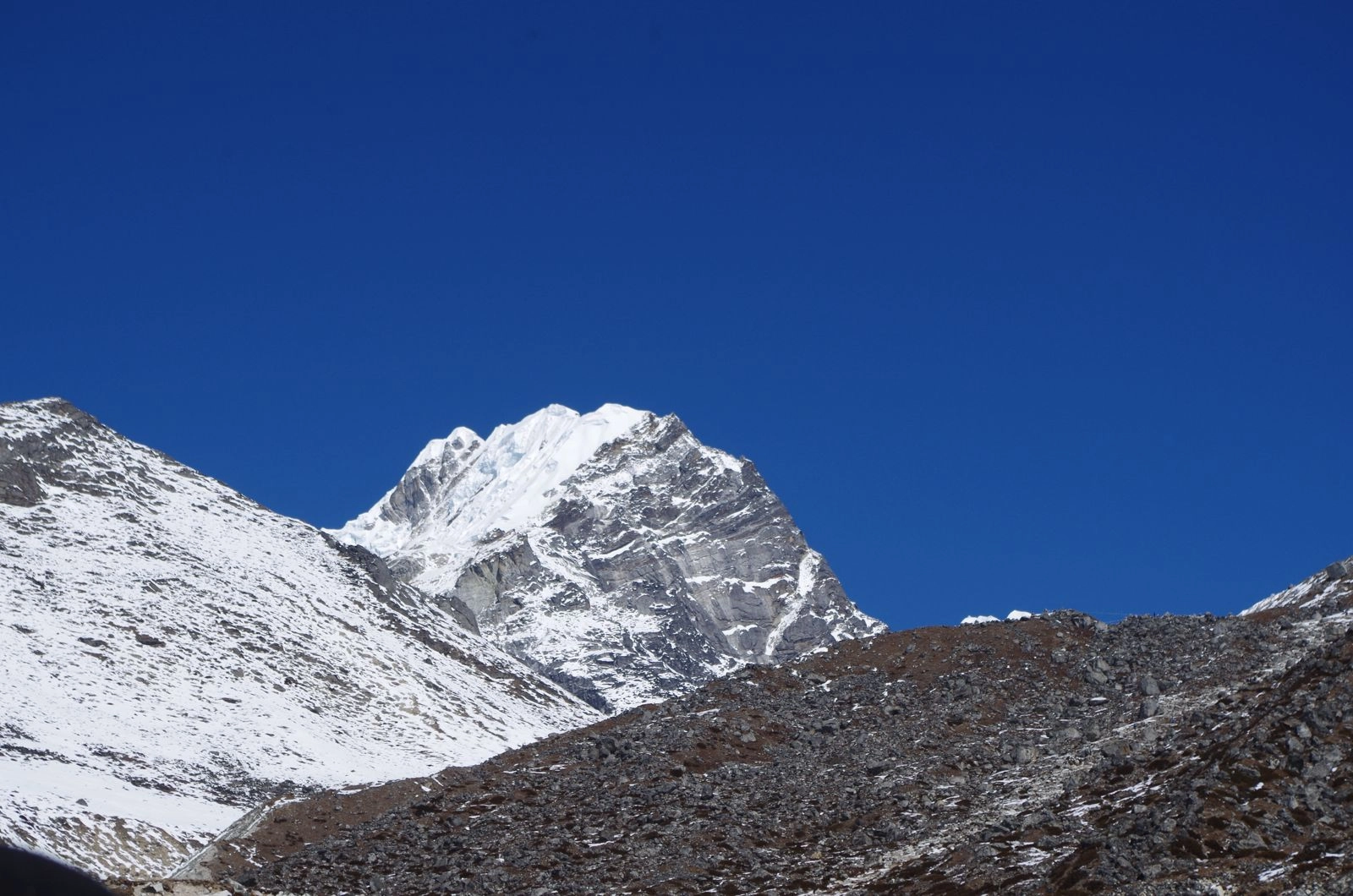
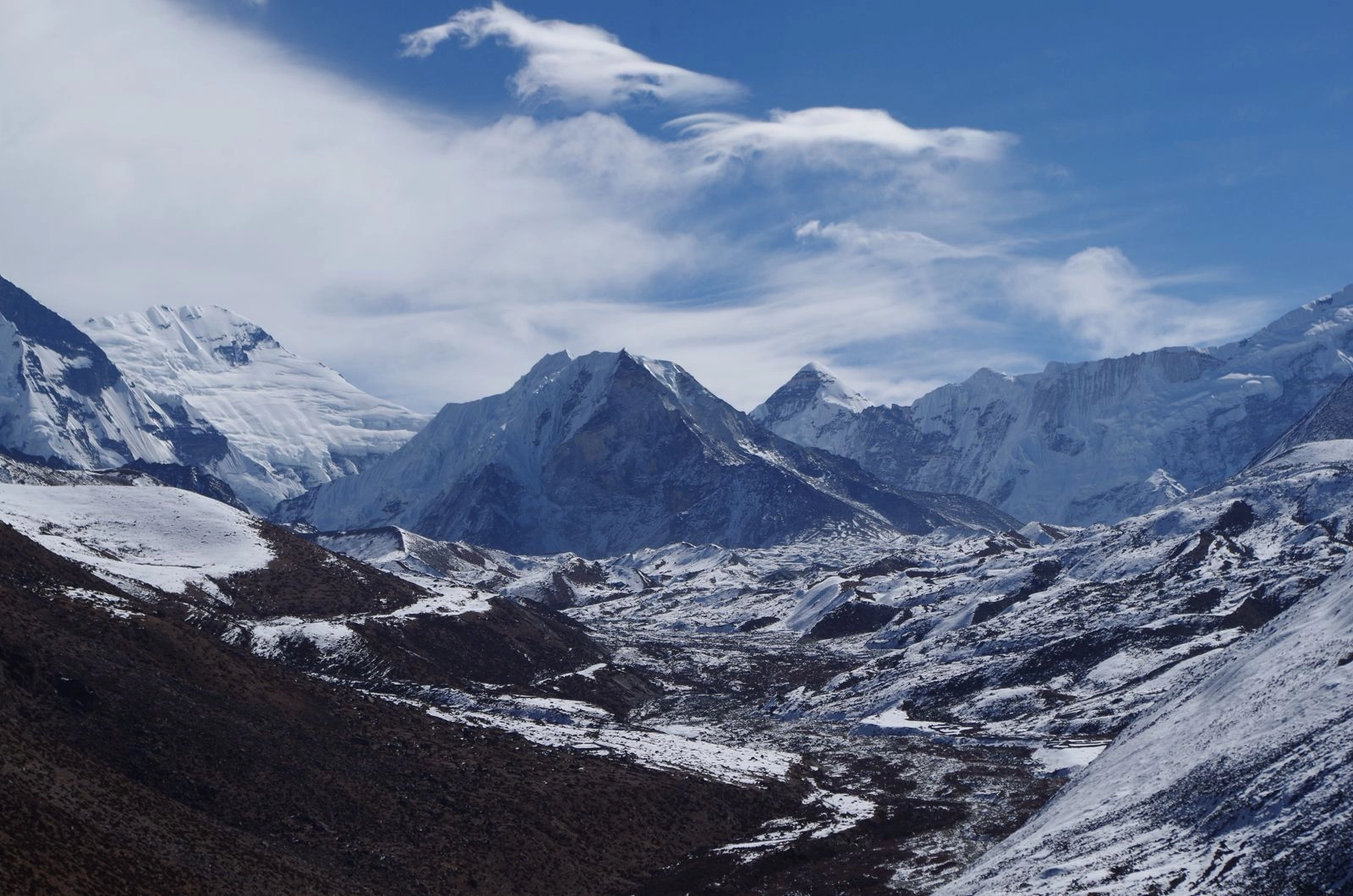
Island Peak Climbing is a 20-day high-altitude trekking and mountaineering adventure leading to the 6,189-metre summit of one of Nepal's best-known trekking peaks. Locally known as Imja Tse, Island Peak rises above the Imja Valley in the Khumbu region, surrounded by some of the most recognisable mountains in the Nepal Himalayas.
The journey begins in Kathmandu, then travels overland to Manthali for the flight to Lukla. From Lukla, the trail follows the Dudh Koshi Valley to Phakding and then climbs through Sagarmatha National Park towards Namche Bazaar.
The approach follows part of the celebrated Everest trekking route. Suspension bridges, forested trails, mani stones, monasteries and Sherpa settlements provide cultural and scenic interest throughout the journey. As the trail gains altitude, views open towards peaks such as Ama Dablam and the mountains surrounding the upper Khumbu.
Two nights in Namche Bazaar support the gradual acclimatization process. The scheduled acclimatization hike to the Everest View Point allows participants to gain elevation before returning to Namche to sleep. The itinerary then visits Khumjung, a traditional Sherpa settlement situated above Namche Bazaar.
From Khumjung, the route continues through the Tengboche region towards Pangboche, offering impressive views of Ama Dablam in suitable weather, before climbing into the Imja Valley and reaching Dingboche at 4,250 metres.
A second dedicated acclimatization day is included in Dingboche. The scheduled hike towards Nangkartshang Peak provides further exposure to altitude and helps the climbing guide evaluate the team before continuing higher.
The route then leads to Chhukung at 4,740 metres, where participants spend two nights, including an acclimatization hike and pre-climb training day covering crampons, harnesses, ropes, ice axes, ascenders and descenders.
Island Peak Base Camp is reached on Day 12. Accommodation is provided in tents during the climbing section. The summit attempt normally begins late at night or before dawn, allowing the team to climb during the colder morning hours and descend before conditions deteriorate later in the day.
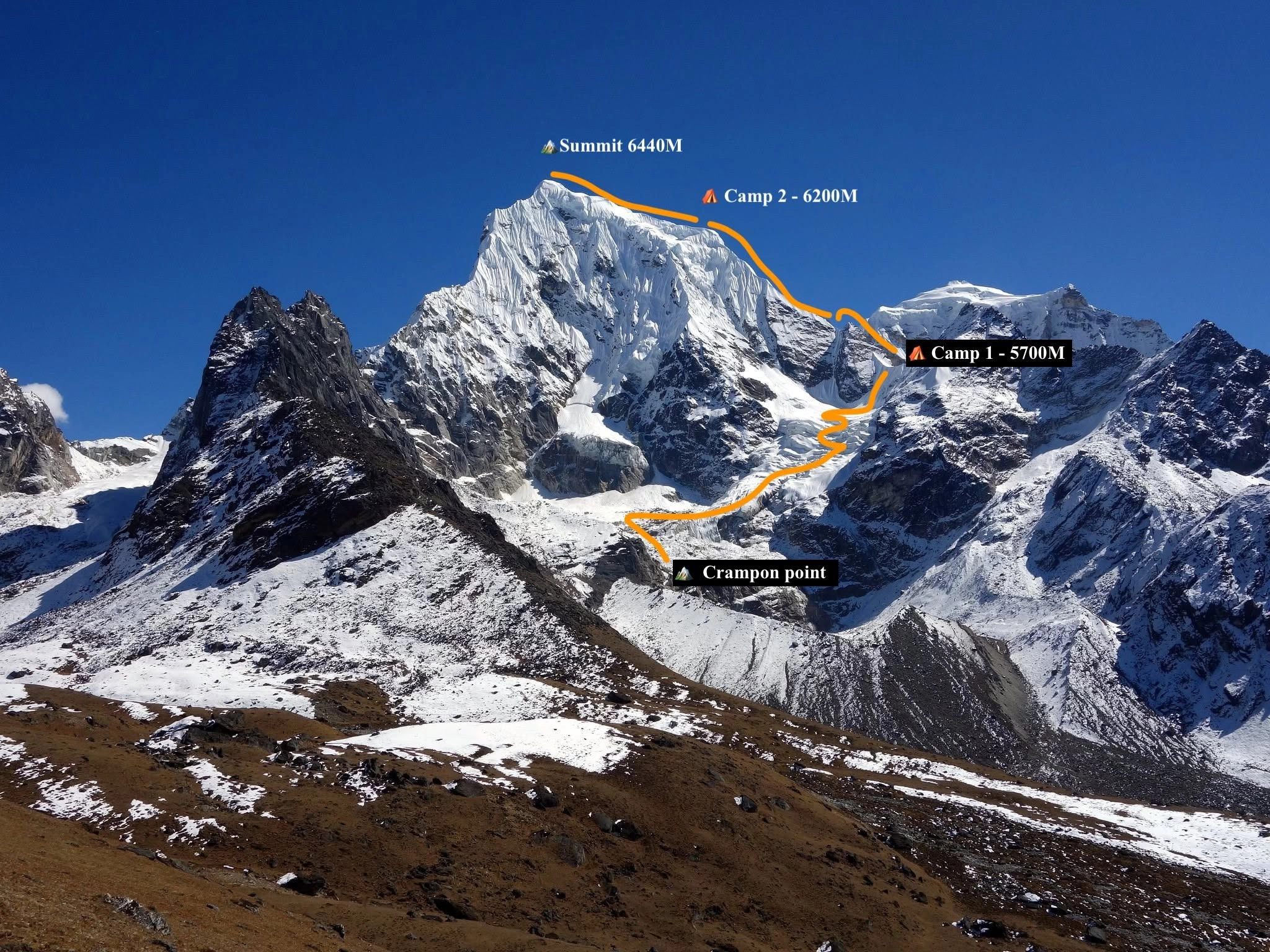
The route above Base Camp involves steep, rocky ground followed by snow or glaciated terrain. Fixed ropes and technical climbing equipment may be required on steeper sections, depending on current mountain conditions.
After the summit attempt, the group descends to Chhukung for recovery. A contingency day is included to provide flexibility if weather, route conditions, acclimatization or other safety considerations prevent the climb from proceeding as scheduled.
The return journey retraces the trail through Pangboche and Namche Bazaar before descending to Lukla. A mountain flight returns the group to Manthali, followed by an overland transfer to Kathmandu.
Hatti Hatti Treks arranges the accommodation, meals, transportation, domestic flights, permits and climbing support listed in the package. Participants climb with an experienced, government-licensed climbing Sherpa guide, while porter service supports the trekking section, subject to the confirmed baggage allowance.
Summit success cannot be guaranteed. Weather, altitude, individual health and route conditions may require changes to the published itinerary. The climbing guide retains full authority to delay, modify or cancel the summit attempt when necessary for safety.
Accommodation & Food standards

Standard
- Teahouse / lodge accommodation
- Basic but comfortable rooms
- Hygienic Breakfast, Lunch & Dinner

Premium (Comfort)
- Upgraded lodges / boutique hotels where available
- Private rooms with better facilities
- Enhanced meal options with greater variety and comfort

Meal Types
- Breakfast
- Lunch
- Dinner
Day-By-Day
Your 20-Day Itinerary
A Hatti Hatti Treks representative will meet you at Tribhuvan International Airport and transfer you to your hotel in Kathmandu. After checking in, rest following your international journey. Information about the Island Peak itinerary, required equipment, domestic flight and departure arrangements will be provided as necessary.
This is also an appropriate time to check your trekking and climbing clothing. Any missing personal equipment should be purchased or rented before leaving Kathmandu.
Max Altitude
1,400 m
Accomodation
Four-star hotel in Kathmandu
Meals
Not included
Leave Kathmandu and travel overland to Manthali, the departure point for the scheduled flight to Lukla. The drive normally takes approximately 5–6 hours, although the actual duration depends on traffic, weather and road conditions. The journey passes through Nepal's hill country, following river valleys and travelling past cultivated slopes, towns and rural settlements.
After arriving in Manthali, check into your hotel and prepare for the following morning's mountain flight.
Max Altitude
1,400 m
Accomodation
Hotel in Manthali
Meals
Breakfast, lunch and dinner
Take an early flight from Manthali to Lukla, situated at approximately 2,840 metres, subject to weather and visibility. After landing, meet the trekking crew, organise the equipment and begin walking towards Phakding. The trail initially descends from Lukla and follows the Dudh Koshi Valley through small settlements and cultivated landscapes.
The first walking day is completed at a comfortable pace as the body begins adjusting to the mountain environment.
Max Altitude
2,840 m
Accomodation
Teahouse in Phakding
Meals
Breakfast, lunch and dinner
Continue along the Dudh Koshi Valley, crossing suspension bridges and passing settlements on the way towards Sagarmatha National Park. After completing the necessary entry procedures, the trail eventually reaches the demanding ascent towards Namche Bazaar, the principal trading centre of the Khumbu region.
Walk slowly, drink sufficient water and report any persistent symptoms associated with altitude to the guide.
Max Altitude
3,440 m
Accomodation
Teahouse in Namche Bazaar
Meals
Breakfast, lunch and dinner
Spend a second night in Namche Bazaar to support gradual altitude adaptation. Rather than remaining inactive, complete a scheduled hike towards the Everest View Point, allowing the body to experience a higher elevation before returning to Namche to sleep.
After returning, use the remaining time to rest or explore Namche Bazaar. The guide will discuss hydration, pacing and signs of altitude sickness.
Max Altitude
Dependent on the viewpoint route
Accomodation
Teahouse in Namche Bazaar
Meals
Breakfast, lunch and dinner
Leave Namche and climb towards Khumjung, a traditional Sherpa village above the main trading centre. The relatively short walking day provides additional acclimatisation while introducing the cultural landscape of the upper Khumbu.
Continue walking slowly and avoid unnecessary exertion after arrival.
Max Altitude
3,790 m
Accomodation
Teahouse in Khumjung
Meals
Breakfast, lunch and dinner
Continue from Khumjung towards Pangboche via the Tengboche area, known for its monastery and impressive position beneath the surrounding peaks. In suitable weather, Ama Dablam forms one of the most striking views along this section.
This is a substantial trekking day, so a controlled pace should be maintained throughout.
Max Altitude
Approximately 3,980 m
Accomodation
Teahouse in Pangboche
Meals
Breakfast, lunch and dinner
Leave Pangboche and continue into the upper Imja Valley, where vegetation becomes increasingly sparse as the route gains altitude. The ascent to Dingboche at 4,250 metres is significant despite the comparatively short walking time.
After arriving, settle into the teahouse, keep warm and rest.
Max Altitude
4,250 m
Accomodation
Teahouse in Dingboche
Meals
Breakfast, lunch and dinner
Spend a second night in Dingboche and complete an acclimatization hike towards Nangkartshang Peak. The hike supports gaining elevation during the day before returning to a lower altitude to sleep, and can provide wide views of the Imja Valley in clear conditions.
Persistent headache, nausea, dizziness, loss of coordination or unusual breathlessness must be reported immediately.
Max Altitude
Dependent on the acclimatisation route
Accomodation
Teahouse in Dingboche
Meals
Breakfast, lunch and dinner
Continue through the Imja Valley towards Chhukung, gaining altitude gradually across open terrain surrounded by increasingly dramatic mountain scenery. Maintain a slow rhythm and take regular breaks.
Chhukung, at approximately 4,740 metres, serves as the principal preparation base before the approach to Island Peak Base Camp.
Max Altitude
4,740 m
Accomodation
Teahouse in Chhukung
Meals
Breakfast, lunch and dinner
A short hike provides additional altitude exposure, while the remaining time is used for equipment checks and training. The climbing Sherpa guide inspects personal equipment and explains how each item should be fitted and used, covering mountaineering boots, crampons, harnesses, helmets, ropes, ice axes, ascenders, descenders and carabiners.
Participants may practise moving while attached to a rope, ascending a fixed line and descending safely. This training improves familiarity with equipment but does not replace previous mountaineering instruction.
Max Altitude
Dependent on the acclimatization route
Accomodation
Teahouse in Chhukung
Meals
Breakfast, lunch and dinner
Leave Chhukung and follow the trail towards Island Peak Base Camp, crossing increasingly barren terrain shaped by glaciers and moraines. At approximately 5,200 metres, Base Camp is cold, exposed and basic.
After arriving, settle into the tents, eat, hydrate and prepare clothing and climbing equipment for the summit attempt. The climbing guide assesses the latest weather and route conditions before confirming the departure time.
Max Altitude
Approximately 5,200 m
Accomodation
Tent at Island Peak Base Camp
Meals
Breakfast, lunch and dinner
The summit attempt begins during the night or early morning. The initial route normally involves rocky and uneven terrain before reaching snow or glaciated sections higher on the mountain, where crampons, ropes, harnesses and technical equipment may be required.
Steeper sections can involve fixed-rope climbing. If conditions permit, the team reaches the 6,189-metre summit before a careful descent to Base Camp and on to Chhukung. The climbing guide retains full authority to delay, alter the route, or turn participants around when safety requires it. Approximately 8–10 hours.
Max Altitude
6,189 m
Accomodation
Teahouse in Chhukung
Meals
Breakfast, lunch and dinner
This day provides flexibility if weather, route conditions, acclimatisation or other circumstances prevent the summit attempt from proceeding as planned. If the summit has already been completed, the day may be used for rest.
A contingency day improves flexibility but does not guarantee another summit attempt.
Max Altitude
4,740 m unless used for a summit attempt
Accomodation
Teahouse in Chhukung
Meals
Breakfast, lunch and dinner
Begin the return journey by descending through the Imja Valley towards Pangboche. The descent can still be tiring after the climbing section, particularly on uneven or rocky trails. Approximately 5–6 hours.
Max Altitude
4,740 m
Accomodation
Teahouse in Pangboche
Meals
Breakfast, lunch and dinner
Continue through the Tengboche region on the return to Namche Bazaar. The trail includes descents as well as several uphill sections. Approximately 6–7 hours.
Max Altitude
Dependent on the route through the Tengboche region
Accomodation
Teahouse in Namche Bazaar
Meals
Breakfast, lunch and dinner
Descend from Namche Bazaar towards the Dudh Koshi Valley, crossing suspension bridges and retracing the lower trail through Sagarmatha National Park. Several uphill sections remain before Lukla. Approximately 6–7 hours.
Max Altitude
3,440 m
Accomodation
Teahouse in Lukla
Meals
Breakfast, lunch and dinner
Take an early flight from Lukla to Manthali, subject to weather, visibility and operational conditions. After landing, continue by road to Kathmandu and transfer to your hotel.
Max Altitude
2,840 m before leaving Lukla
Accomodation
Four-star hotel in Kathmandu
Meals
Breakfast
Enjoy a free day to rest, organise climbing equipment, purchase souvenirs or explore Kathmandu independently. This day also provides limited flexibility following the weather-dependent flight from Lukla.
Max Altitude
1,400 m
Accomodation
Not included
Meals
Not included
Your Island Peak Climbing expedition concludes today. A Hatti Hatti Treks representative will transfer you to Tribhuvan International Airport according to your international departure schedule.
Max Altitude
1,400 m
Accomodation
Not included
Meals
Not included
We Accept




What's Covered
Inclusion And Exclusions
What's Included
- Airport pick-up and drop-off in Kathmandu
- Two nights' accommodation at a four-star hotel in Kathmandu
- Hotel accommodation in Manthali as specified in the itinerary
- Breakfast, lunch and dinner during the scheduled Manthali stay
- Overland transportation between Kathmandu and Manthali
- Domestic flights between Manthali and Lukla
- Teahouse accommodation during the trekking section
- Tented accommodation during the climbing section
- Breakfast, lunch and dinner during trekking and climbing
- Acclimatization hike and pre-climb technical training in Chhukung
- Experienced, government-licensed climbing Sherpa guide
- Porter service during the trek, subject to the confirmed baggage allowance
- Island Peak climbing permit managed through the Nepal Mountaineering Association (NMA)
- Sagarmatha National Park entry permit
- Khumbu Pasang Lhamu Rural Municipality Trek-Card / local entry permit
- Trekkers' Information Management System (TIMS) Card
- Guide and porter salaries, meals and accommodation
- Insurance for the trekking and climbing crew
- Group medical and first-aid kit
- Applicable government taxes and company service charges
What's Not Included
- International airfare
- Nepal entry visa fees
- Comprehensive travel and mountaineering insurance
- Emergency rescue and helicopter evacuation
- Hospitalisation and medical treatment
- Additional Kathmandu accommodation outside the two scheduled hotel nights
- Accommodation and meals on Day 19 unless separately arranged
- Lunch and dinner in Kathmandu
- Personal trekking and climbing clothing and equipment
- Equipment rental unless separately agreed
- Hot showers during the trek
- Wi-Fi and battery-charging fees
- Alcoholic beverages
- Soft drinks and bottled water
- Personal snacks and other personal expenses
- Tips for climbing guides, trekking staff and porters
- Excess baggage or additional porter services beyond the confirmed baggage allowance
- Additional accommodation, meals, helicopter flights or transportation caused by delayed, diverted or cancelled domestic flights
- Costs resulting from weather, route changes or itinerary modifications
- Expenses caused by illness, early withdrawal or unforeseen circumstances
- Costs resulting from changes requested by the participant
- Any fixed-rope or route-fixing charges not specifically confirmed under Cost Includes
- Any service not specifically mentioned under Cost Includes
Common Questions
FAQs
The complete expedition lasts 20 days, including arrival in Kathmandu, transportation to Manthali, the Khumbu trekking approach, acclimatisation, pre-climb training, the summit attempt, a contingency day and final departure.
Island Peak, locally known as Imja Tse, reaches 6,189 metres and is located in the Imja Valley of Nepal's Khumbu region, within the wider Everest trekking area.
Previous mountaineering experience is helpful but not compulsory. High-altitude trekking experience is strongly recommended, along with familiarity with crampons, ropes, harnesses and ice axes.
The programme builds acclimatisation through Namche Bazaar, Khumjung, Pangboche and Dingboche, adds an acclimatisation hike and pre-climb training day at Chhukung, then moves to Island Peak Base Camp (~5,200 m) for a night-departure summit attempt on the 6,189 m peak.
Yes. An experienced, government-licensed climbing Sherpa guide leads the technical climbing section and makes safety decisions according to weather, route conditions and participant readiness.
No supplementary oxygen is specifically listed as included in the standard Island Peak package. Any oxygen support required or requested should be confirmed separately before departure.
The package includes two nights at a four-star hotel in Kathmandu, hotel accommodation in Manthali, teahouse accommodation during the trek and tented accommodation at Island Peak Base Camp. Meals are provided during the Manthali, trekking and climbing sections as stated in the itinerary.
The package includes the Island Peak climbing permit managed through the Nepal Mountaineering Association, the Sagarmatha National Park entry permit, the Khumbu Pasang Lhamu Rural Municipality Trek-Card/local entry permit, the TIMS Card, transportation between Kathmandu and Manthali, and scheduled flights between Manthali and Lukla.
Lukla flights and climbing activities remain subject to weather, visibility, snow and ice conditions, route safety and operational decisions. The itinerary may be modified when necessary, and additional accommodation, meals, helicopter flights or transportation caused by disruption are normally not included.
No. An Island Peak summit cannot be guaranteed. Weather, route hazards, acclimatisation, participant health, technical ability and operational conditions determine whether the summit attempt can continue. The expedition leader and climbing guide retain final authority over turnaround decisions and participant safety.