Manaslu Expedition
Max Altitude
8,163 m
Duration
43 Days
Difficulty
Extreme
Best Season
Autumn and spring

Start Point
Kathmandu

Group Size
2-15 People
Trip Overview
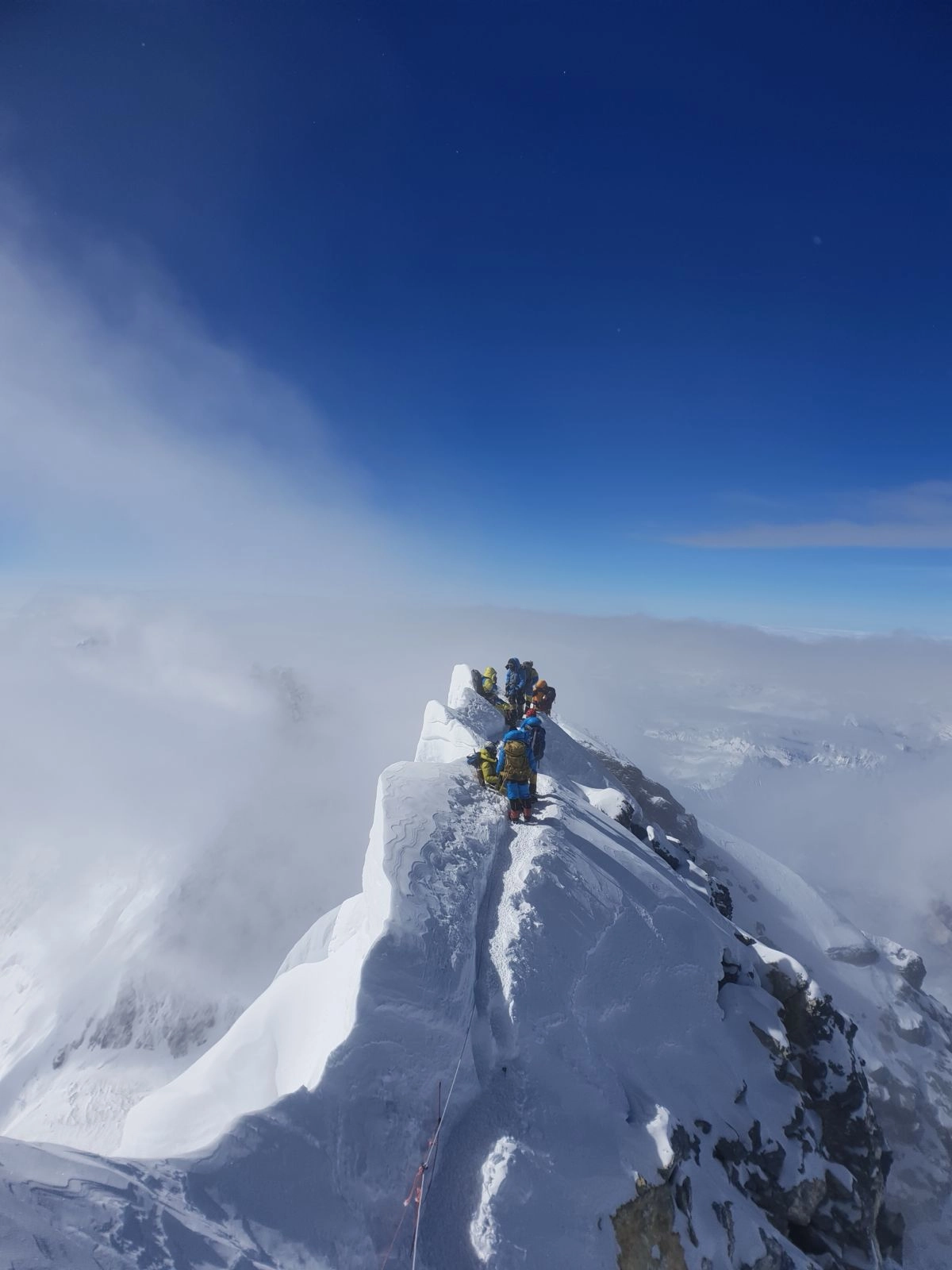
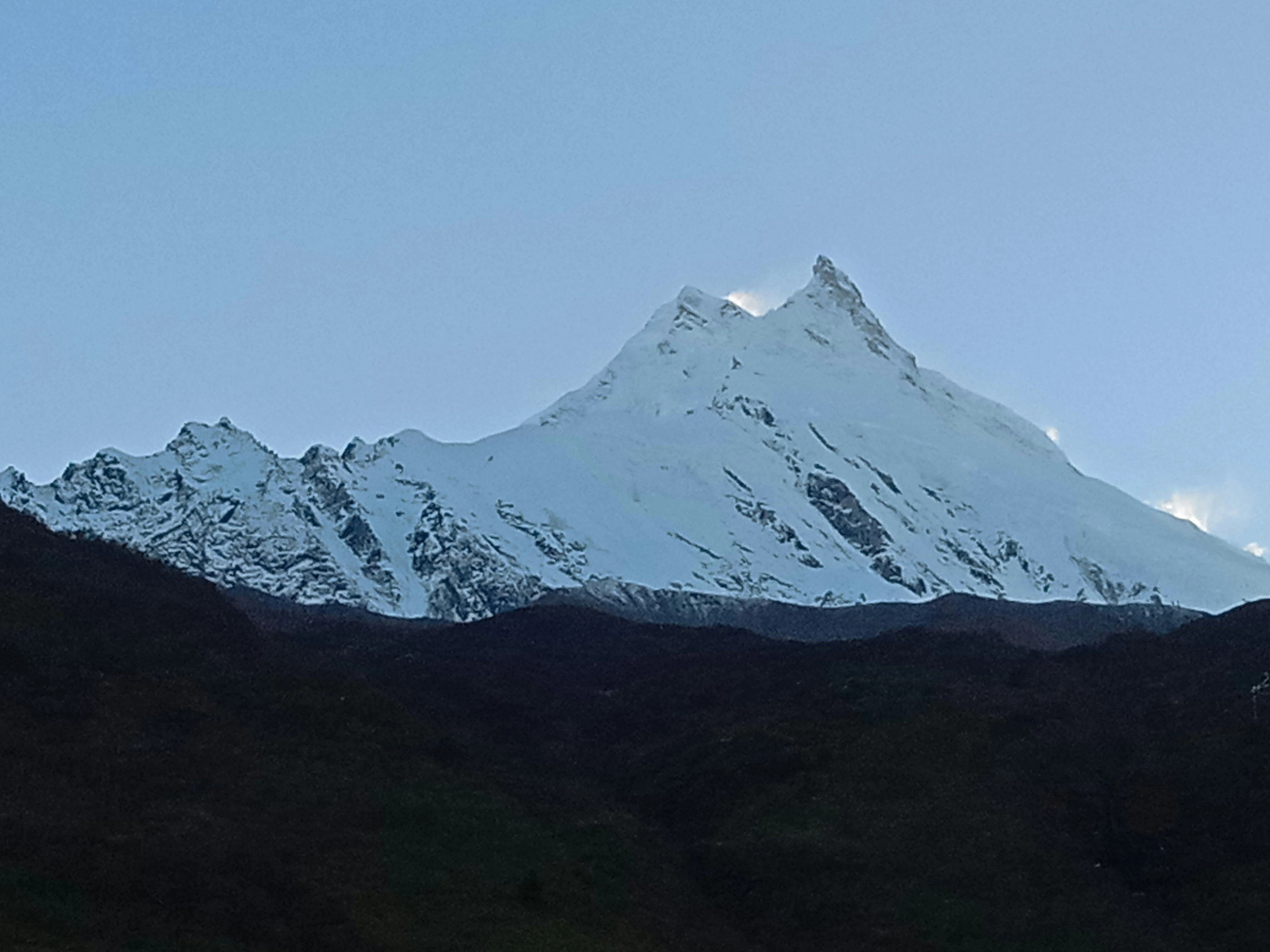
The Manaslu Expedition is a professionally supported 43-day mountaineering journey to the 8,163-metre summit of Mount Manaslu, the eighth-highest mountain in the world. Rising in Nepal’s Mansiri Himal, Manaslu is a serious 8,000-metre objective involving glacier travel, fixed ropes, steep snow and ice, exposed high camps and prolonged exposure to extreme altitude.
The expedition begins in Kathmandu with a detailed briefing, equipment inspection and final preparation before travelling overland to Machhakhola. From there, the trekking approach follows the Budhi Gandaki Valley through Jagat, Deng, Namrung and Lho towards Samagaun, gradually moving from lower river valleys into the high Himalayan environment beneath Manaslu.
An acclimatisation day at Samagaun allows the team to adapt before climbing to Manaslu Base Camp at approximately 4,800 metres. Base Camp serves as the operational centre of the expedition, with sleeping tents, kitchen and dining facilities, communication systems, charging facilities and essential logistical support.
Before the main climbing period begins, participants complete an additional acclimatisation day at Base Camp, two days of technical training and a traditional puja ceremony. Training refreshes essential expedition skills including crampon use, fixed-rope movement, jumaring, controlled descent, glacier safety, oxygen-system operation and emergency procedures.
Days 15-35 provide a 21-day operational climbing window for acclimatisation rotations, high-camp movements, equipment carries, recovery, weather contingency and the summit attempt. Climbers progressively move through the established high camps before returning to Base Camp for recovery between rotations.
Once acclimatisation and high-camp preparation are complete, the expedition leader monitors professional weather forecasts, route conditions, snow stability, participant health, oxygen supplies and camp readiness before selecting a suitable summit window.
The final summit push progresses through the established camps towards the upper mountain. Summit day normally begins during the night, with climbers following the fixed climbing route towards the 8,163-metre summit before beginning the demanding descent.
The package includes personal climbing Sherpa support, supplementary oxygen, an oxygen mask and regulator, high-altitude tents, fixed-rope charges, professional weather forecasting, required expedition permits and fully serviced Base Camp logistics.
Manaslu is sometimes chosen as a first 8,000-metre expedition or as preparation for a future Everest attempt, but it should never be considered an easy 8,000er. Avalanches, crevasses, extreme cold, storms, altitude illness, exhaustion and technical terrain remain serious hazards.
All climbing rotations, high-camp movements and summit plans remain subject to weather, route conditions, participant health and operational readiness. The expedition leader retains final authority over the climbing schedule, turnaround times, summit decisions and participant safety.
Accommodation & Food standards

Standard
- Teahouse/lodge accommodation
- Basic but comfortable rooms.
- Hygienic breakfast, lunch and dinner.

Premium (Comfort)
- Upgraded lodges or boutique hotels (where available)
- Private rooms and better facilities.
- Enhanced meal options with greater variety and comfort.

Meal Types
- Breakfast
- Lunch
- Dinner
Day-By-Day
Your 43-Day Itinerary
A Hatti Hatti Treks representative will welcome you at Tribhuvan International Airport and transfer you to your hotel. After check-in, use the remainder of the day to rest following your international journey and begin organising personal expedition equipment.
Max Altitude
1,400 m
Accomodation
Four-star hotel in Kathmandu
Meals
Not included
Meet the expedition leader and climbing team for a comprehensive briefing covering transportation, the trekking approach, Base Camp operations, high camps, oxygen systems, communication procedures and emergency protocols. Personal climbing equipment will also be inspected so that unsuitable or missing items can be arranged before departure.
Max Altitude
1,400 m
Accomodation
Four-star hotel in Kathmandu
Meals
Breakfast
Leave Kathmandu for the overland journey to Machhakhola, normally requiring approximately 8-10 hours depending on road, traffic and weather conditions. The route passes through hill settlements and river valleys before joining rougher mountain roads towards the Manaslu region.
Max Altitude
1,400 m
Accomodation
Teahouse in Machhakhola
Meals
Breakfast, lunch and dinner
Begin the trekking approach by following the Budhi Gandaki Valley towards Jagat. The approximately 6-7 hour trail crosses bridges, rocky sections and small settlements as the route enters deeper into the Manaslu region.
Max Altitude
1,340 m
Accomodation
Teahouse in Jagat
Meals
Breakfast, lunch and dinner
Continue north through forest, river gorges, cultivated terraces and traditional villages. The approximately 6-7 hour trek crosses the Budhi Gandaki several times before reaching the increasingly remote surroundings of Deng.
Max Altitude
1,860 m
Accomodation
Teahouse in Deng
Meals
Breakfast, lunch and dinner
The trail gains elevation steadily through forest and settlements strongly influenced by Tibetan Buddhist culture. During the approximately 6-7 hour trek, mani walls, prayer flags and chortens become increasingly common before the team reaches Namrung.
Max Altitude
2,630 m
Accomodation
Teahouse in Namrung
Meals
Breakfast, lunch and dinner
Continue through alpine forest and mountain settlements on an approximately 4-5 hour trek towards Lho. The shorter stage supports gradual acclimatisation while providing increasingly impressive views of Manaslu and the surrounding peaks.
Max Altitude
3,180 m
Accomodation
Teahouse in Lho
Meals
Breakfast, lunch and dinner
Trek for approximately 4-5 hours through the upper valley towards Samagaun, one of the principal settlements beneath Manaslu. The landscape becomes increasingly open and alpine as the team approaches the high valley surrounded by glaciers and Himalayan peaks.
Max Altitude
3,530 m
Accomodation
Teahouse in Samagaun
Meals
Breakfast, lunch and dinner
Spend a second night in Samagaun to support gradual altitude adaptation before moving to Base Camp. Depending on weather and participant conditions, the expedition leader may organise a controlled hike above the village before returning to Samagaun for rest and hydration.
Max Altitude
Varies according to the acclimatization hike
Accomodation
Teahouse in Samagaun
Meals
Breakfast, lunch and dinner
Leave Samagaun and climb towards Manaslu Base Camp through increasingly rugged glacial and moraine terrain. The approximately 4-5 hour ascent involves substantial elevation gain, so participants maintain a controlled pace before settling into the expedition camp.
Max Altitude
Approximately 4,800 m
Accomodation
Sleeping tent
Meals
Breakfast, lunch and dinner
Spend the day adapting to the altitude and becoming familiar with Base Camp routines. A controlled walk may be organised on safe surrounding terrain while the team prepares climbing equipment, communication systems and supplies for technical training.
Max Altitude
Approximately 4,800 m
Accomodation
Sleeping tent
Meals
Breakfast, lunch and dinner
Complete two days of technical preparation under the supervision of the expedition leader and climbing Sherpa team. Training refreshes crampon and ice-axe technique, fixed-rope ascent with a jumar, controlled descent, glacier movement, crevasse awareness, high-camp procedures, oxygen-system operation and emergency protocols.
These sessions standardise the systems the team will use during the expedition but do not replace the previous technical mountaineering experience required for Manaslu.
Max Altitude
Approximately 4,800 m
Accomodation
Sleeping tent
Meals
Breakfast, lunch and dinner
Participate in the traditional expedition puja ceremony before beginning the main climbing phase. Climbing equipment may be placed near the ceremonial altar for blessing, after which the team uses the remainder of the day for rest and final preparations.
Max Altitude
Approximately 4,800 m
Accomodation
Sleeping tent
Meals
Breakfast, lunch and dinner
These 21 days form the main operational climbing window and allow time for acclimatisation rotations, high-camp movements, equipment carries, rest, recovery, weather contingency and the summit attempt.The precise programme cannot be fixed in advance. The expedition leader adjusts climbing activities according to weather forecasts, snow stability, avalanche exposure, glacier conditions, fixed-rope progress, participant acclimatisation and high-camp readiness.
Acclimatisation Rotations
Climbers gradually move above Base Camp through the established route and progressively higher camps. These rotations provide essential altitude exposure while allowing the team to become familiar with fixed ropes, glacier terrain, crevasses and movement in full high-altitude equipment.
Participants return to Base Camp between major rotations whenever required for rest, nutrition and recovery.
High-Camp Programme
The expedition uses a series of high camps above Manaslu Base Camp. Camp positions and the exact climbing line may vary according to seasonal snow, glacier movement, fixed-rope placement and operational conditions.
Movement between camps may involve steep snow and ice, exposed traverses, crevasses and sustained climbing on fixed ropes. High-altitude tents and shared group equipment support the team during these rotations and the final summit programme.
Summit Programme
After completing the planned acclimatisation rotations, the team returns to Base Camp for rest while the expedition leader evaluates professional weather forecasts, route safety, participant health, oxygen supplies and high-camp readiness.
When an acceptable summit window develops, climbers begin the final rotation through the established high camps. Summit day normally begins at night, allowing sufficient time to climb towards the 8,163-metre summit and begin the descent while conditions remain manageable.
Supplementary oxygen is used according to the expedition plan. Climbers must maintain an appropriate pace, follow fixed-rope procedures and comply with the established turnaround time.
Reaching the summit is only half of the expedition objective. The descent remains physically demanding and potentially dangerous, and all participants must continue following the instructions of the expedition leader and climbing Sherpa team.
The expedition leader may modify rotations, postpone or cancel the summit attempt, establish turnaround times or withdraw a participant whenever safety or operational conditions require it.
Max Altitude
8,163 m
Accomodation
Sleeping tent
Meals
Breakfast, lunch and dinner
Following the climbing programme, the expedition team begins clearing Base Camp and preparing equipment for transportation. Non-essential facilities are packed while the sleeping, kitchen and safety services required for the final night remain operational. Expedition waste is collected and managed according to applicable regulations.
Max Altitude
Approximately 4,800 m
Accomodation
Sleeping tent
Meals
Breakfast, lunch and dinner
Leave Base Camp and descend carefully through moraine and glacial terrain towards Samagaun. Although the approximately 4-5 hour route loses significant elevation, accumulated expedition fatigue and uneven terrain require a controlled pace.
Max Altitude
Approximately 4,800 m
Accomodation
Teahouse in Samagaun
Meals
Breakfast, lunch and dinner
Retrace the upper-valley trail through Lho towards Namrung on an approximately 6-7 hour trek. The day involves substantial descent, although several short climbs and uneven trail sections remain.
Max Altitude
3,530 m
Accomodation
Teahouse in Namrung
Meals
Breakfast, lunch and dinner
Continue descending through forest, river valleys and traditional settlements towards Philim. This can be a long trekking day, and the expedition leader may adjust the pace or stopping point according to trail conditions and team progress.
Max Altitude
2,630 m
Accomodation
Teahouse in Philim
Meals
Breakfast, lunch and dinner
Follow the Budhi Gandaki Valley south towards Machhakhola. The trail includes suspension bridges, rocky sections and several short climbs before the team returns to the lower valley and prepares for the following day’s drive to Kathmandu.
Max Altitude
Approximately 1,560 m
Accomodation
Teahouse in Machhakhola
Meals
Breakfast, lunch and dinner
Leave Machhakhola and travel overland towards Kathmandu. The journey normally requires approximately 8-10 hours, although traffic, road conditions, landslides and weather can affect the schedule. On arrival, transfer to your four-star hotel and rest after the expedition.
Max Altitude
1,400 m
Accomodation
Four-star hotel in Kathmandu
Meals
Breakfast
Enjoy a free day to rest, organise expedition equipment, shop for souvenirs or explore Kathmandu independently. The day also provides limited flexibility following the mountain and overland return programme.
Max Altitude
1,400 m
Accomodation
Four-star hotel in Kathmandu
Meals
Breakfast
Your Manaslu Expedition concludes today. A Hatti Hatti Treks representative will transfer you to Tribhuvan International Airport according to your international departure schedule.
Max Altitude
1,400 m
Accomodation
Not included
Meals
Breakfast, subject to departure time
We Accept




What's Covered
Inclusion And Exclusions
What's Included
- Mount Manaslu climbing permit
- Manaslu Restricted Area Trekking Permit
- Manaslu Conservation Area Permit (MCAP)
- Annapurna Conservation Area Permit (ACAP)
- Applicable government permit processing and administrative fees
- Airport pick-up and drop-off in Kathmandu
- Four nights at a four-star hotel in Kathmandu on a bed-and-breakfast basis
- Ground transportation (Kathmandu <-> Machhakhola)
- Teahouse accommodation during the trekking approach and return journey on a BLD basis
- Fully serviced Manaslu Base Camp accommodation including communication, food, sleeping tents, laundry and shower facilities
- Technical training and safety instruction at Manaslu Base Camp
- Traditional expedition puja ceremony
- Shared high-altitude tents at the Manaslu high camps
- Shared high-camp stoves, fuel and essential group climbing equipment
- Fixed-rope charges on Mount Manaslu
- Three to five supplementary oxygen bottles for each participant’s summit programme, with the final allocation confirmed in the expedition contract
- One oxygen mask and regulator set per participant for expedition use
- Professional mountain weather-forecasting service
- Experienced Manaslu expedition leader
- Professional climbing Sherpa team
- Personal climbing Sherpa support, with the final guide-to-client arrangement confirmed before departure
- Porter support for expedition baggage during the trekking approach, subject to the confirmed baggage allowance
- Expedition liaison, administrative and government documentation services
- Staff salaries, meals and accommodation
- Insurance and required expedition equipment for expedition staff
- Group medical and first-aid kit
- Emergency communication equipment
- Base Camp and high-camp logistical support
- Waste-management services and applicable environmental fees
- Applicable government taxes and company service charges
What's Not Included
- International airfare
- Nepal entry visa fees
- Comprehensive travel and mountaineering insurance
- Emergency rescue and helicopter evacuation
- Hospitalisation and medical treatment
- Additional Kathmandu accommodation outside the four scheduled hotel nights
- Lunch and dinner in Kathmandu
- Personal trekking and climbing clothing and equipment
- Equipment rental unless specifically included
- Hot showers during the trekking sections
- Wi-Fi and charging fees during the trek
- Alcoholic beverages
- Soft drinks and bottled water
- Personal snacks and expenses
- Additional oxygen beyond the confirmed package allocation
- Summit bonus for the personal climbing Sherpa
- Tips for Base Camp staff and the climbing team
- Excess baggage or additional porter services beyond the confirmed baggage allowance
- Additional accommodation, meals or transportation caused by road closures, landslides, weather or itinerary changes
- Emergency helicopter transportation caused by itinerary disruption
- Expenses caused by illness, early withdrawal or unforeseen events
- Costs resulting from changes requested by the participant
- Filming and Drone Permits
- Any service not specifically mentioned under Cost Includes
Common Questions
FAQs
The complete Manaslu Expedition lasts 43 days. This includes preparation in Kathmandu, the trekking approach, acclimatisation, Base Camp training, the 21-day climbing period, the return trek and final departure.
Mount Manaslu reaches 8,163 metres and is the eighth-highest mountain in the world. It rises in Nepal’s Mansiri Himal in the Manaslu region of north-central Nepal.
Participants should have substantial high-altitude mountaineering experience and strong competence with crampons, fixed ropes, jumars, glacier travel and high-altitude camp systems. Previous experience on a major 6,000- or 7,000-metre mountain is strongly recommended.
Days 15-35 provide a 21-day operational climbing period. This window covers acclimatisation rotations, high-camp movements, equipment carries, recovery, weather contingency and the summit attempt.
Yes. Personal climbing Sherpa support is included in the expedition package. The final guide-to-client arrangement is confirmed before departure according to the expedition contract and team structure.
The package includes three to five supplementary oxygen bottles for each participant’s summit programme, together with one oxygen mask and regulator set. The final oxygen allocation is confirmed in the expedition contract.
The package includes four nights at a four-star hotel in Kathmandu, teahouse accommodation during the trekking approach and return journey, expedition tents at Manaslu Base Camp and shared tents at the high camps. Breakfast is included during the scheduled Kathmandu hotel stays, while breakfast, lunch and dinner are provided during the specified trekking and climbing sections.
The package includes the Mount Manaslu climbing permit, Manaslu Restricted Area Trekking Permit, Manaslu Conservation Area Permit (MCAP), TIMS Card, fixed-rope charges and applicable expedition administration and government documentation.
Road closures, landslides, severe weather, route conditions, fixed-rope progress or participant health may require changes to the schedule. Additional accommodation, meals, transportation or helicopter services resulting from disruption are normally not included unless specifically stated in the booking agreement.
No. A Manaslu summit cannot be guaranteed. Weather, avalanche conditions, route safety, acclimatisation, participant health, oxygen availability and high-camp readiness determine whether a summit attempt can proceed. The expedition leader has final authority over summit timing, turnaround decisions and participant safety.
Keep Exploring